For many children, the word “learning” conjures up images of rigid desks, endless worksheets, and repetitive memorization. When education feels like a chore, children often switch off mentally, doing just enough to get by without truly absorbing the information. However, learning does not have to be a dull obligation. In fact, human beings are naturally wired to learn through exploration, play, and curiosity.
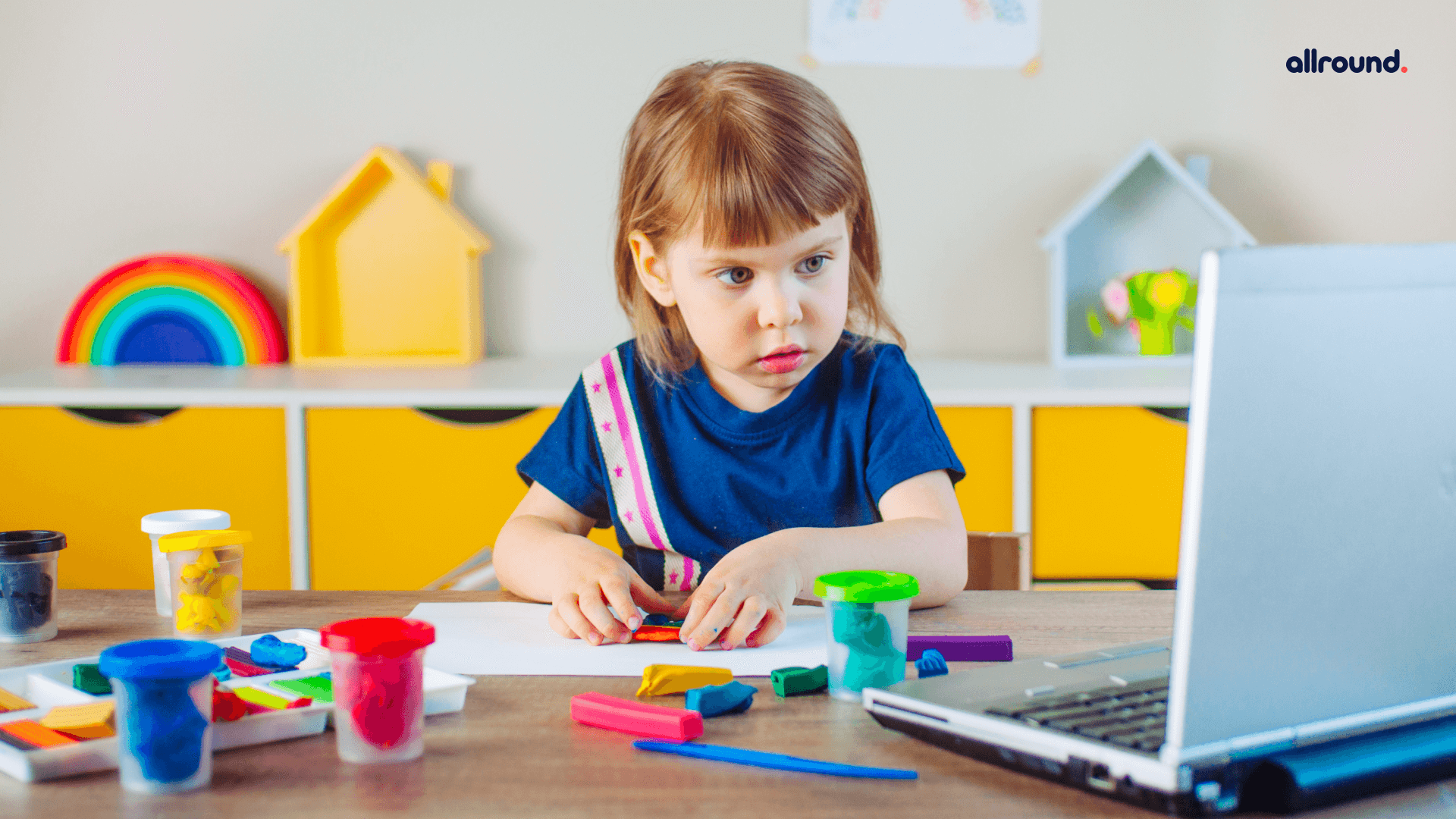
As parents and educators, the goal should be to transform education from a forced task into an exciting adventure. When children find joy in discovery, they develop a lifelong love for learning that extends far beyond the classroom walls. This article explores practical, highly effective strategies to inject fun, creativity, and enthusiasm into your child’s educational journey.
Transform Abstract Concepts into Hands-On Experiences
Children, especially younger ones, learn best when they can interact with the physical world. Abstract concepts found in textbooks can be difficult to grasp, but turning those concepts into tangible experiences instantly makes them engaging.
The Magic of Science Experiments
Instead of just reading about chemical reactions or states of matter, turn your kitchen into a laboratory. Simple experiments, like building a baking soda and vinegar volcano, growing crystals from sugar water, or exploring buoyancy by testing which household objects sink or float, make science unforgettable. When children can see, touch, and manipulate variables, they form a deeper cognitive connection to the material.
Edible Mathematics
Math often causes the most anxiety for young learners, but it is also one of the easiest subjects to make interactive. Use snack time as an opportunity to teach mathematical operations. Counting grapes, dividing a pizza into fractions, or using colorful chocolate pieces to demonstrate addition and subtraction turns abstract numbers into a rewarding game. Baking together is another fantastic way to teach measurements, volume, and fractions in a highly practical environment.
Leverage the Power of Play and Gamification
Play is not a break from learning; for a child, play is learning. By incorporating educational content into games, you lower your child’s anxiety and increase their intrinsic motivation to succeed.
Board Games and Puzzles
Many traditional board games are packed with hidden educational value. Games like Scrabble or Boggle enhance vocabulary and spelling skills, while Monopoly teaches basic economics, financial planning, and arithmetic. Puzzles are excellent tools for developing spatial awareness, problem-solving abilities, and patience.
Educational Technology Done Right
While excessive screen time should be avoided, high-quality educational apps and games can be incredibly beneficial. Look for platforms that use gamification—rewarding children with points, badges, and levels as they master reading, coding, or foreign languages. The key is to select interactive apps that require critical thinking rather than passive video consumption.
Connect Learning to Real-World Interests
Children are naturally enthusiastic about their hobbies, whether it is a passion for dinosaurs, space, animals, or sports. You can use these existing interests as a gateway to broader educational subjects.
Project-Based Learning Around Hobbies
If your child is obsessed with dinosaurs, do not just stop at reading picture books. Use that passion to explore history, geography, and paleontology. Look at maps to see where specific fossils were discovered, discuss how climate change affected prehistoric life, or visit a local museum. By anchoring educational concepts to a topic they already love, you eliminate the resistance often associated with studying.
Field Trips and Outdoor Exploration
Learning should not be confined to the house. Nature provides an endless classroom. Take your child on a hike and look for different leaf shapes, identify bird species, or collect rocks to categorize later. Visits to historical sites, botanical gardens, planetariums, and zoos provide context to what they read in books, making the knowledge feel alive and relevant to the real world.
Foster a Culture of Storytelling and Creativity
Human beings communicate through stories. Integrating narrative and creative expression into learning appeals to a child’s imagination and emotional intellect.
Role-Playing and Historical Dramas
History can feel dry when it is just a list of dates and names. To make it vibrant, encourage your child to role-play historical events. They can dress up as historical figures, put on a puppet show about an ancient civilization, or write a fictional diary entry from the perspective of an early explorer. This approach builds empathy and a much deeper historical understanding.
Interactive Reading Routines
Reading is the foundation of all academic success. Make reading an interactive experience rather than a silent duty. Use different voices for different characters, ask your child to predict what will happen next, or challenge them to write an alternative ending to their favorite story. This active engagement transforms reading from a passive task into a creative partnership.
Conclusion
Making learning fun is not about removing rigor or avoiding difficult subjects; it is about changing the framework through which those subjects are approached. By incorporating hands-on activities, gamification, real-world connections, and creative storytelling, you strip away the monotony of traditional studying and replace it with genuine excitement.
Every child is unique, so it may take some experimentation to find the specific methods that resonate most with your son or daughter. The effort is well worth it. When you cultivate an environment where mistakes are treated as learning opportunities and curiosity is actively celebrated, you provide your child with the ultimate educational gift: the realization that discovering new things is one of life’s greatest pleasures.