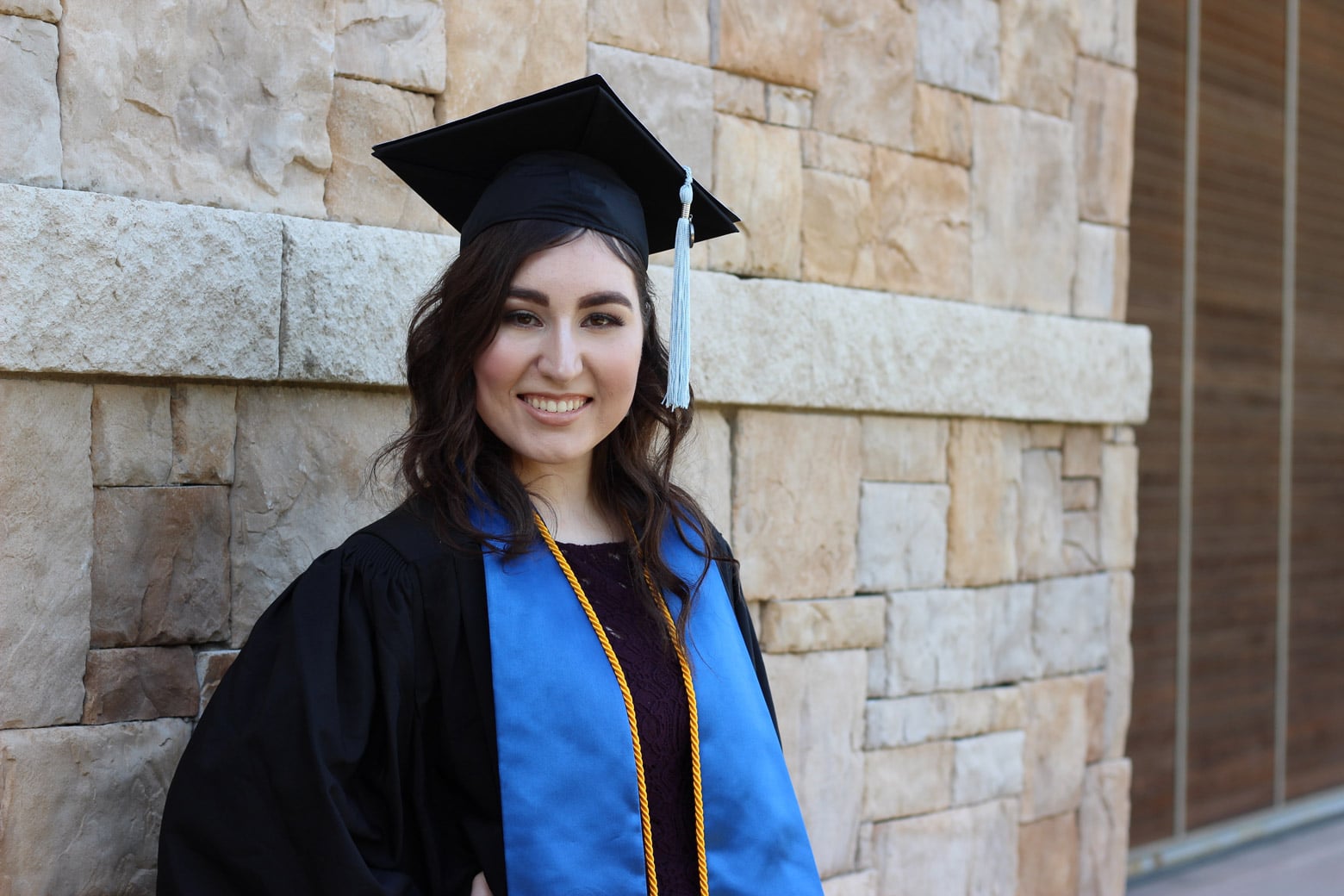
Higher Education: Guide to Master’s and Doctoral Degrees

For many, a bachelor’s degree is the final milestone of formal education before stepping into the professional arena. However, for those driven by deep intellectual curiosity, a passion for research. Or the desire to reach the absolute apex of their careers, graduate school beckons. Pursuing advanced education is a monumental decision that requires a significant investment of time, energy, and financial resources.

The two primary pillars of advanced higher education are Master’s and Doctoral degrees. While both represent a level of expertise far beyond an undergraduate education. They serve vastly different purposes, follow distinct structures, and lead to different professional destinations. This article provides an in-depth analysis of these advanced degrees, helping you understand their nuances and determine which path aligns with your ultimate life goals.

Understanding the Master’s Degree: Specialization and Practical Application

A Master’s degree is typically the first step into graduate education. It is designed to provide … Read more

Everything You Need to Know About College

The transition to college is perhaps one of the most significant milestones in a person’s life. It represents a bridge between the structured environment of adolescence and the autonomous world of adulthood. However, the modern college experience has evolved far beyond simply attending lectures and taking exams. Today, it is a multifaceted journey involving financial planning, social networking, academic specialization, and personal discovery.

Whether you are a high school student beginning your search or a returning adult learner, understanding the intricacies of the higher education system is vital for making an informed decision that will shape your future career.


1. Choosing the Right Institution: Understanding Your Options

Not all colleges are created equal, and the “best” school is rarely determined by a ranking list. Instead, it is determined by the “fit”—how well an institution aligns with your goals, budget, and personality.

Public vs. Private Universities

Public universities are funded … Read more

A Comprehensive Guide to Universal Design for Learning (UDL)

In the dynamic landscape of modern education, the phrase “one size fits all” is a recognized barrier to student success. Educators face classrooms of unparalleled diversity, featuring students with varying learning abilities, language backgrounds, cognitive styles, and physical needs. The solution is not to retrofit a standard curriculum with endless accommodations, but to proactively design learning environments that are inherently accessible and engaging from the outset. This is the core philosophy of Universal Design for Learning (UDL), a research-based framework that has become the definitive game-changer in educational equity and excellence.

UDL moves beyond mere compliance with accessibility laws; it is a strategic blueprint for creating flexible learning goals, methods, materials, and assessments that work for everyone. This article explores the three core principles of UDL and provides practical insights into its transformative power in any educational setting.


The Foundation: What is Universal Design for Learning (UDL)?

UDL is … Read more

Practical Strategies for Accommodating Diverse Learning Styles

The traditional “one-size-fits-all” model of education is rapidly becoming obsolete. Educators and trainers increasingly recognize that learners process, retain, and demonstrate knowledge in fundamentally different ways. This understanding is the foundation of effective teaching, demanding a shift toward actively accommodating diverse learning styles. While research often challenges rigid categorization systems (like VAK—Visual, Auditory, Kinesthetic), the principle remains clear: providing varied pathways to knowledge and assessment dramatically improves engagement, retention, and overall academic success for every individual. This article provides practical, actionable strategies for educators, managers, and parents seeking to create inclusive and highly effective learning environments.


The Rationale: Why Accommodation is Key

Learning styles refer to the specific cognitive, affective, and physiological traits that serve as relatively stable indicators of how learners perceive, interact with, and respond to the learning environment. When instruction aligns with these preferences, several positive outcomes occur:

  • Increased Engagement: Learners are more motivated and focused
Read more

A Blueprint for Implementing a Truly Inclusive Education System

The concept of Inclusive Education has evolved far beyond simply placing students with disabilities into general education classrooms. Today, a truly modern and effective inclusive education system is one that fundamentally redesigns the educational environment to serve the needs of all learners—recognizing diversity not as a challenge to be managed, but as a rich resource that strengthens the entire learning community. Implementing such a system is a massive undertaking, demanding systemic change across policy, pedagogy, infrastructure, and mindset. It requires moving from a model where students must adapt to the system, to a system that proactively adapts to every student.

This article provides a comprehensive blueprint for the practical implementation of a new, truly inclusive education system, focusing on the core pillars of policy, professional development, and technological infrastructure.


Pillar I: Foundational Policy and Systemic Reform

Effective inclusion must be mandated and supported from the highest levels of educational administration, … Read more